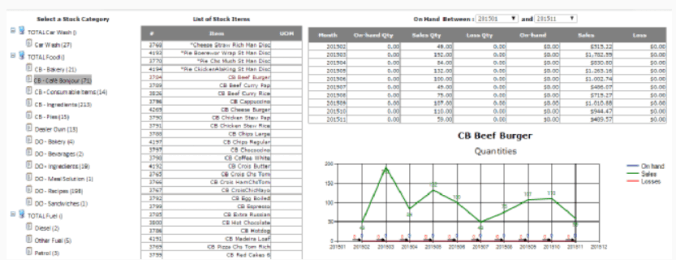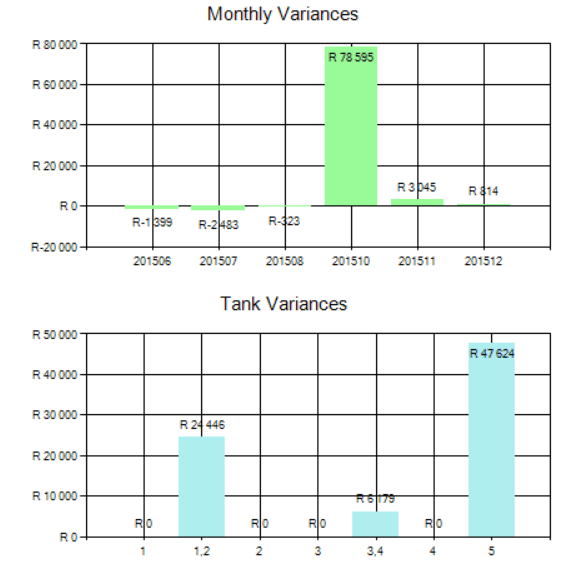
Aims
To provide service station owners with a tool with which they can jump in and start analysing data themselves, rather than wait for 'someone' to run complex reports. This democratization helps stakeholders back up-with hard numbers-business decisions that would otherwise be based only on gut feelings and anecdotes.
Although BI holds great promise, implementations can be dogged by technical and cultural challenges. SRH provides the means whereby the quality of the data is clean and consistent so that stakeholders can trust it.
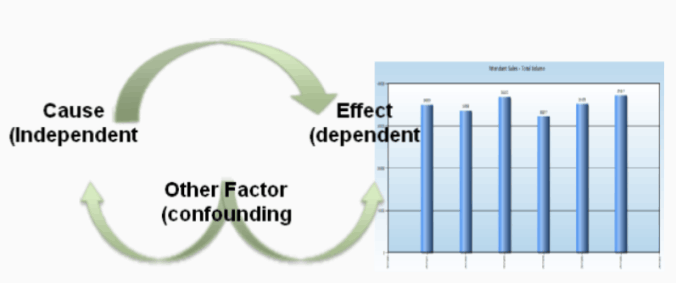
Converting data into economic facts
Extracting raw knowledge from POS systems and assembling it into congruent statements.
Upstream, this requires procedures to entice stakeholders to provide and continually update the information needed to infer the truth about their assets and their economic circumstances; and downstream, procedures to transform and fit that knowledge into standardised and validated documents recorded in such a way that everything has its place.

Contextualising
The need for structure
When an article is recorded, all the dispersed data that depicts its situation has to be picked and organised so that the article can be seen in the context of the relationships that determine its economic value and identify the interests that control it. Why such a broad picture? Why not just describe the asset itself? Because from Aristotle right up to today's global positioning system in your car, we have learned that humans rarely understand anything unless it is placed within the context of the relationships that exist.